


What Is a Cooler Box? Types, Uses, and How It Works
Last updated: November 2026 | By Colin Tsai, Founder of ZhugeCoolers
A cooler box is one of the most essential pieces of gear for anyone who spends time outdoors, travels long distances, or needs to keep food and drinks cold away from a refrigerator. But what exactly is a cooler box, how does it work, and what separates a good one from a cheap one?
The short answer: a cooler box is an insulated container designed to slow heat transfer and keep its contents cold for hours or days. The difference between a $20 cooler and a $200 cooler comes down to the insulation, the construction method, and the quality of the seal. Understanding these three factors is the key to buying the right cooler box the first time.
In this guide, you’ll learn what a cooler box is, the main types available, how the insulation actually works, and what to look for whether you’re buying for personal use or wholesale.
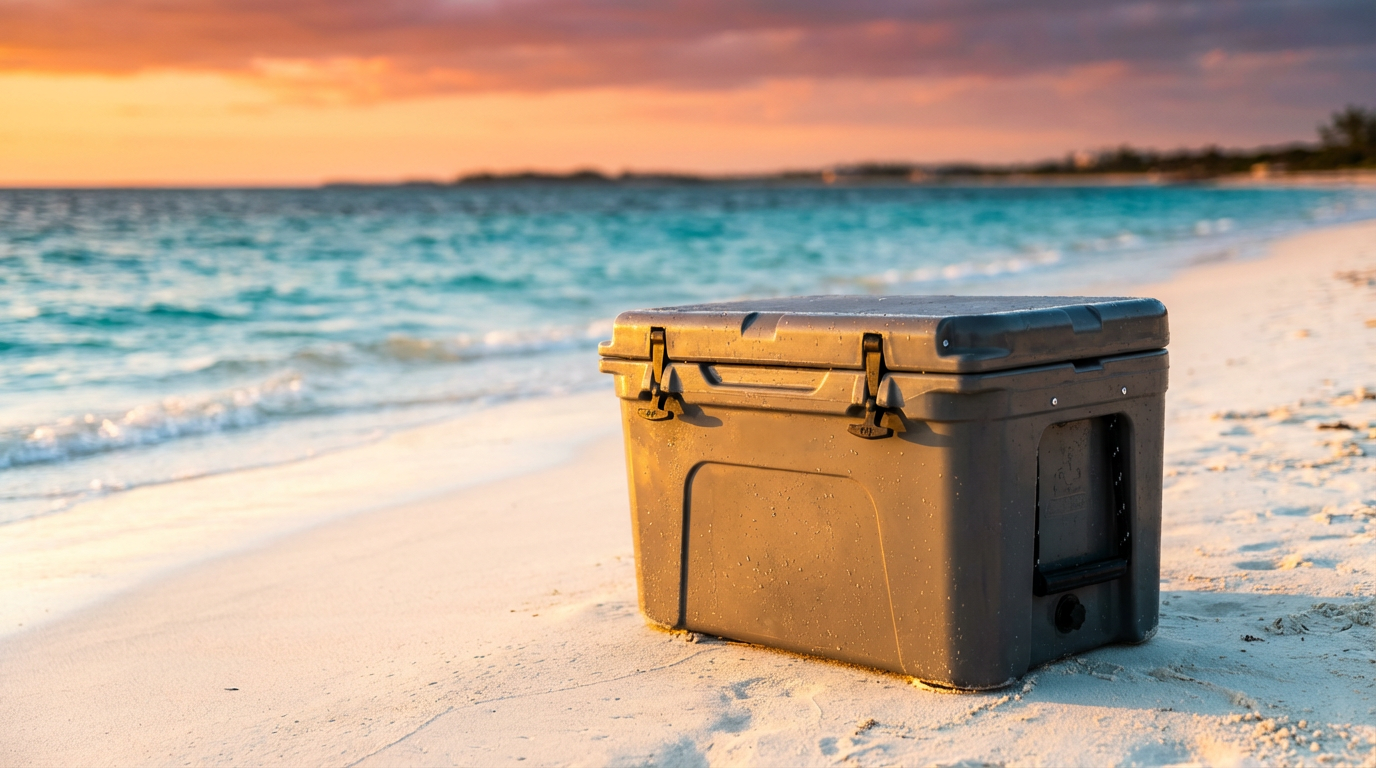
What Is a Cooler Box?
A cooler box — also called a hard cooler, ice chest, or cold box — is a rigid, insulated container used to keep food, drinks, and ice cold. Unlike a soft cooler bag, which uses flexible fabric and thin insulation, a cooler box has solid walls that hold their shape and provide structural durability.
Every cooler box relies on the same basic principle: insulation slows the movement of heat from the outside into the interior. The better the insulation and the tighter the lid seal, the longer the ice stays frozen and the contents stay cold.
The core components of a cooler box include:
- Outer shell — the rigid exterior that protects the insulation
- Insulation core — the material (typically polyurethane foam) that blocks heat transfer
- Inner liner — the food-safe interior surface
- Lid seal / gasket — the airtight barrier that prevents warm air from leaking in
- Hardware — hinges, latches, handles, and drain plugs
Main Types of Cooler Boxes
Not all cooler boxes are built the same way. The manufacturing method has a direct impact on durability, ice retention, and price.
1. Rotomolded Cooler Boxes
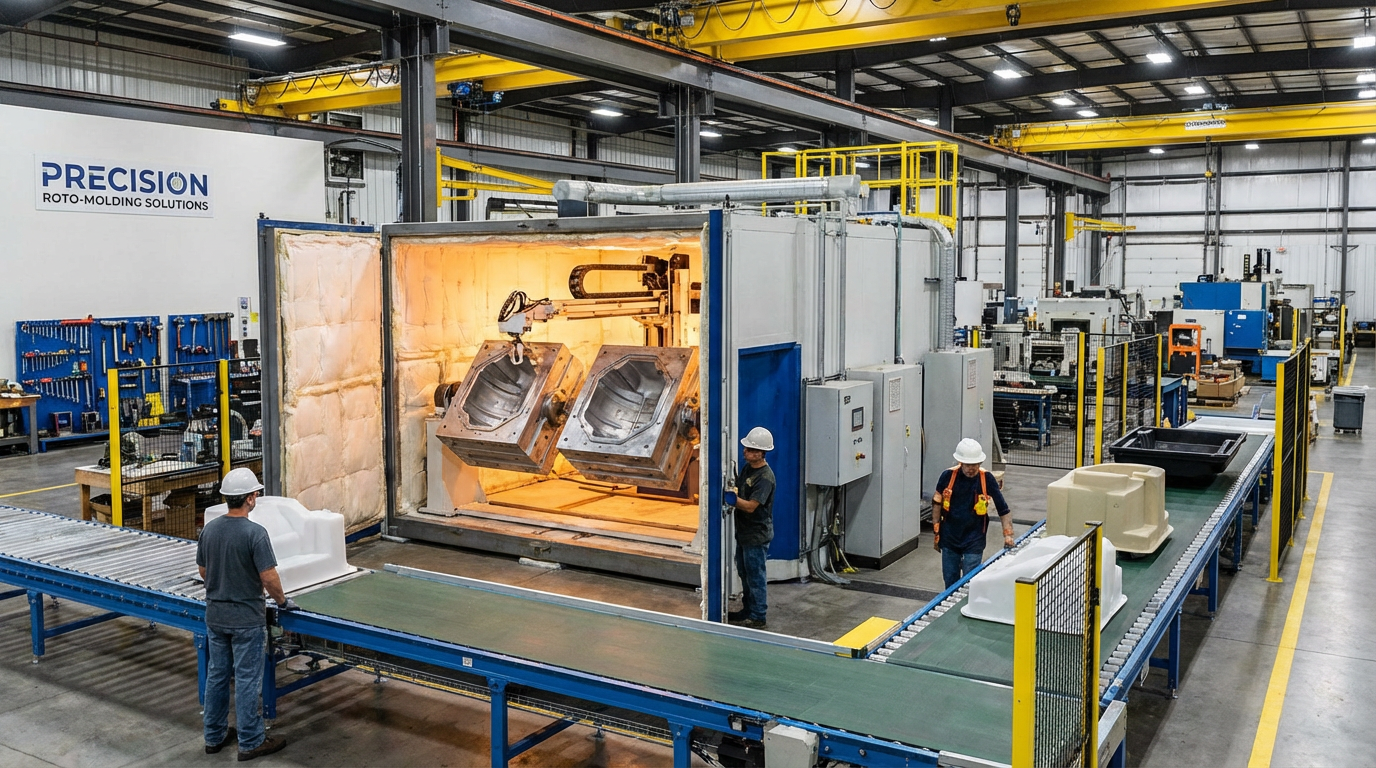
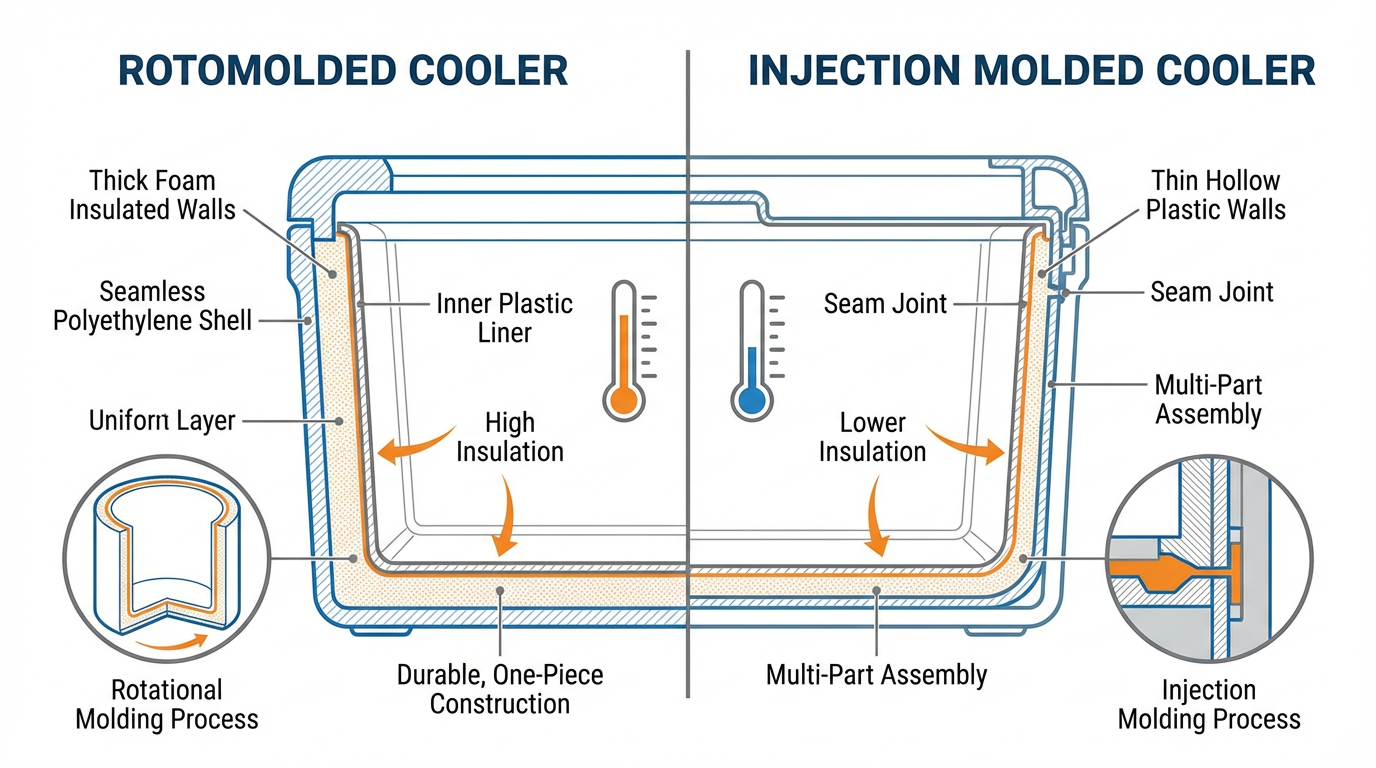
Rotomolded cooler boxes are built using rotational molding — a process that rotates a mold on two axes while heating plastic powder until it coats the interior evenly. This produces a one-piece, seamless shell with uniform wall thickness and thick PU foam insulation.
These are the premium coolers used by serious anglers, hunters, overlanders, and commercial operators. They typically hold ice for 3 to 10 days and are rated to withstand drops, impacts, and heavy use.
2. Injection Molded Cooler Boxes
Injection molded coolers are made by forcing molten plastic into a mold at high pressure — the same process used for plastic buckets. They’re faster and cheaper to produce, but the walls are thinner, there’s a visible seam line where the two halves meet, and insulation is often minimal or absent.
These are the budget coolers found in big-box stores. They’re fine for a day trip but rarely hold ice beyond 24–48 hours.
3. Thermoelectric Cooler Boxes
Thermoelectric coolers plug into a 12V car outlet or AC power and actively cool using a Peltier module. They’re convenient for road trips, but they can only cool to a limited temperature below ambient and are not designed for long-term ice retention.
How Cooler Box Insulation Works
The science behind a cooler box is simple: heat always moves from warmer areas to colder areas. A cooler box fights this through three mechanisms:
- Low thermal conductivity — the foam insulation core resists the passage of heat
- Air-sealed lid — a tight gasket prevents warm air from circulating into the interior
- Thermal mass — the ice itself absorbs heat as it melts, keeping the interior near freezing
The most important factor is the insulation core. Thick, full-density polyurethane foam (typically 30–50mm) dramatically outperforms thin panels or hollow walls. This is why a rotomolded cooler with 50mm of foam holds ice for a week, while a thin-walled injection cooler with no foam struggles to last a day.
Rotomolded vs Injection Molded — Quick Comparison
| Specification | Rotomolded Cooler Box | Injection Molded Cooler Box |
|---|---|---|
| Wall thickness | 8–12 mm uniform | 2–4 mm variable |
| Construction | One-piece seamless | Two halves + seam line |
| PU foam insulation | Yes, full-density | Usually none or thin panel |
| Ice retention | 3–10 days | 1–2 days |
| Durability | High impact resistance | Moderate |
| Price range (FOB) | $60–150 | $15–50 |
ZhugeCoolers Production Capability: Our Ningbo, China facility operates 12 rotomolding production lines with a monthly capacity of 15,000+ units. All products are BSCI and ISO 9001 certified. Request a factory quote →
Common Questions About Cooler Boxes
What size cooler box do I need?
For 1–2 people on a day trip, a 20–30L cooler is enough. For a weekend camping trip with 3–4 people, choose 40–50L. Extended overlanding or base camps for 5+ people typically need 60L or larger.
Can a cooler box be used as a seat?
Rotomolded cooler boxes are sturdy enough to sit or stand on — many are rated to support 300 lbs (136 kg) or more. Budget injection molded coolers should not be used as seats because their thin walls can crack.
How long does ice last in a cooler box?
It depends on the insulation. A rotomolded cooler with thick foam holds ice for 3–10 days, while a cheap injection molded cooler typically lasts 12–48 hours.
What is the MOQ for custom OEM cooler boxes?
ZhugeCoolers offers MOQs starting at 50 units for custom color/logo orders and 100 units for fully custom molds. Lead time is typically 25–35 days. Contact our OEM team →
Conclusion
A cooler box is a simple product on the surface, but the difference between a good one and a bad one is measured in days of ice retention. If you need a cooler for anything beyond a short day trip — fishing, camping, overlanding, or commercial use — a rotomolded cooler box with thick PU foam insulation is worth the investment.
At ZhugeCoolers, we manufacture rotomolded cooler boxes with competitive pricing, flexible OEM programs, and BSCI/ISO 9001-certified production in Ningbo, China.
Ready to explore OEM or wholesale options?
👉 Get a Free OEM Quote in 24 Hours
Featured image: ZhugeCoolers rotomolded cooler box collection. All ZhugeCoolers products are BSCI and ISO 9001 certified. MOQ starts at 50 units for custom branded orders.
About the Author
Colin Tsai is the founder of zhugecoolers.com. He has been running a factory in China that makes coolers for more than 10 years, and the purpose of this article is to share with you the knowledge related to coolers from a Chinese supplier’s perspective.